What changes when the louvre gets bigger
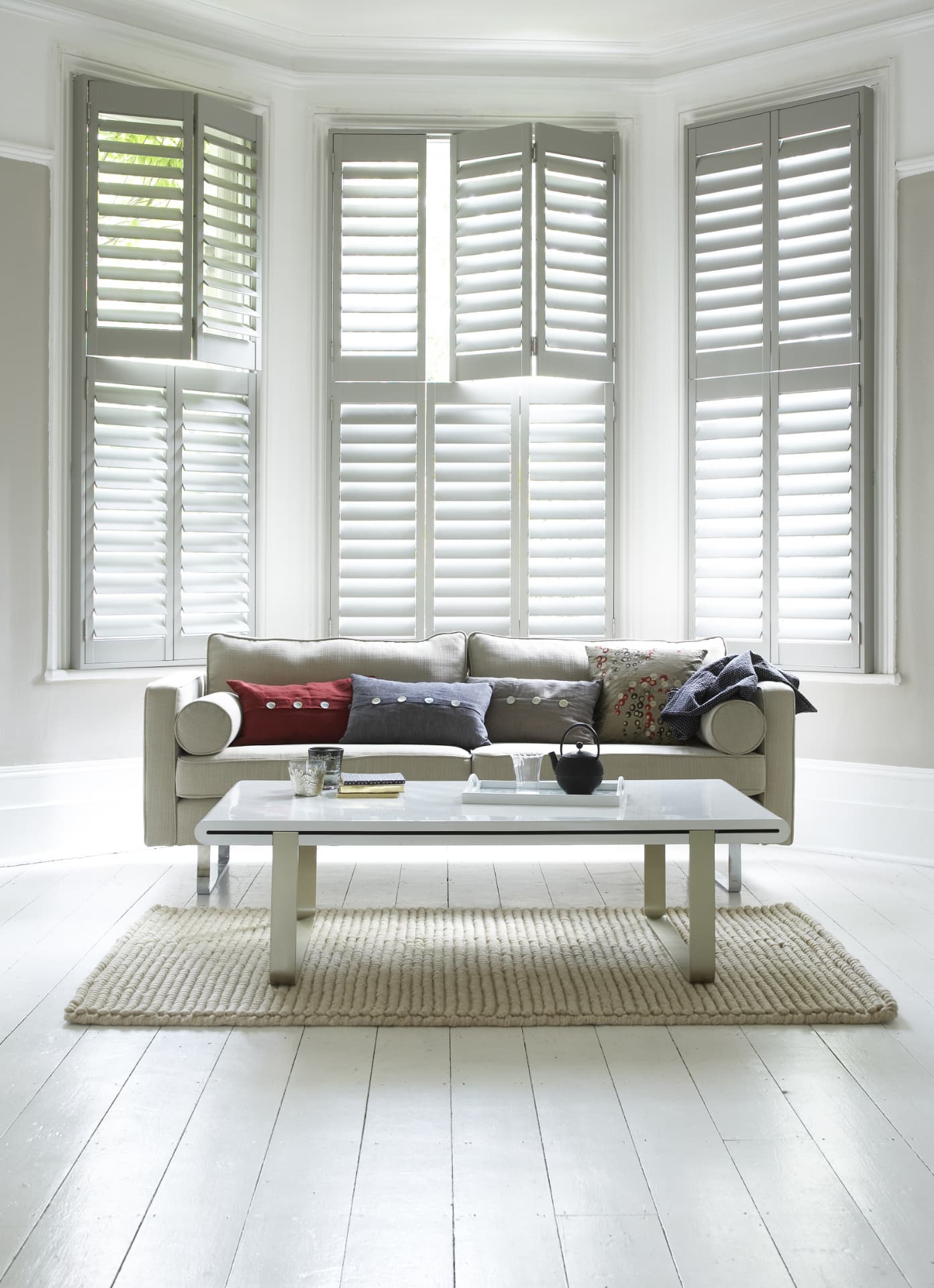
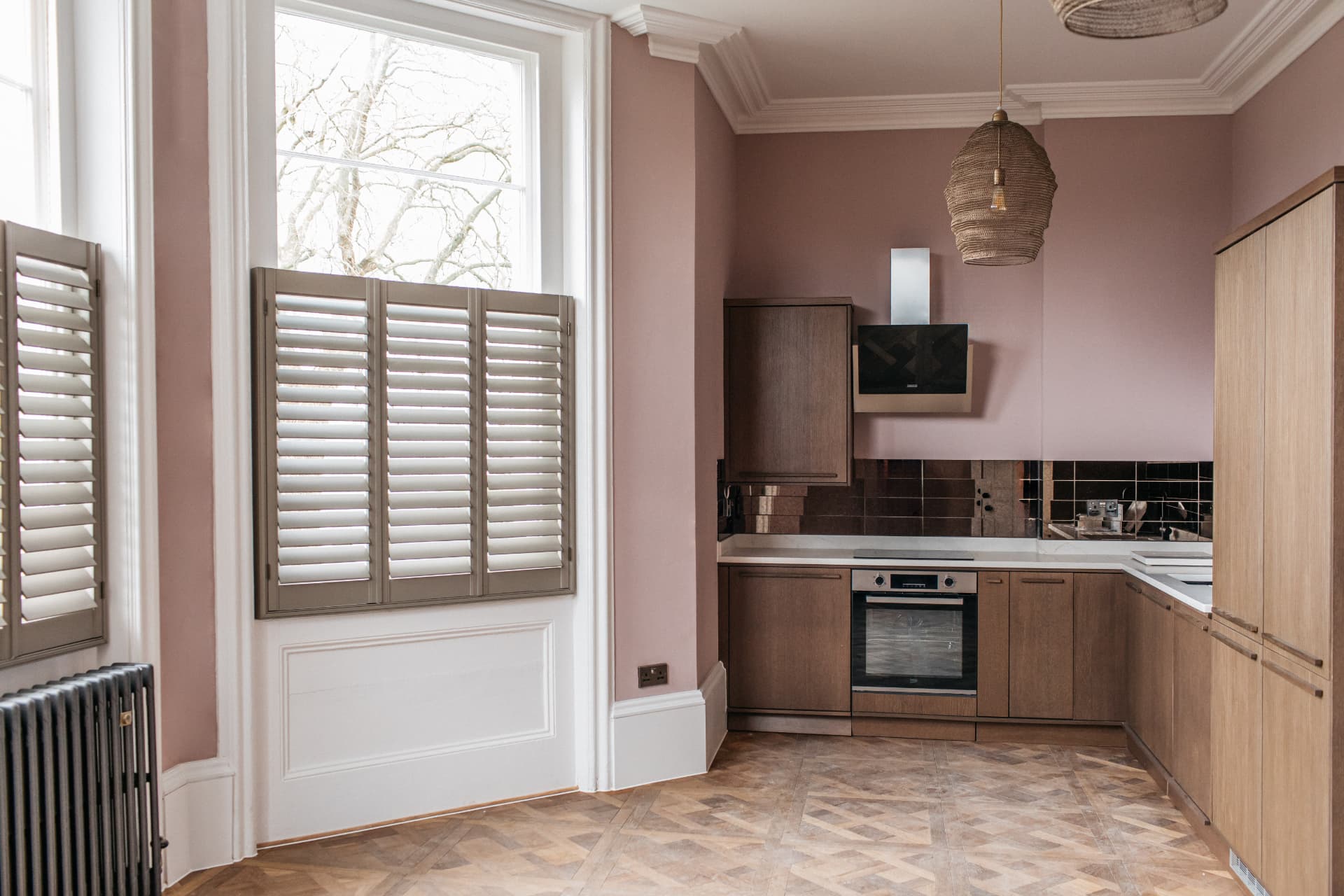
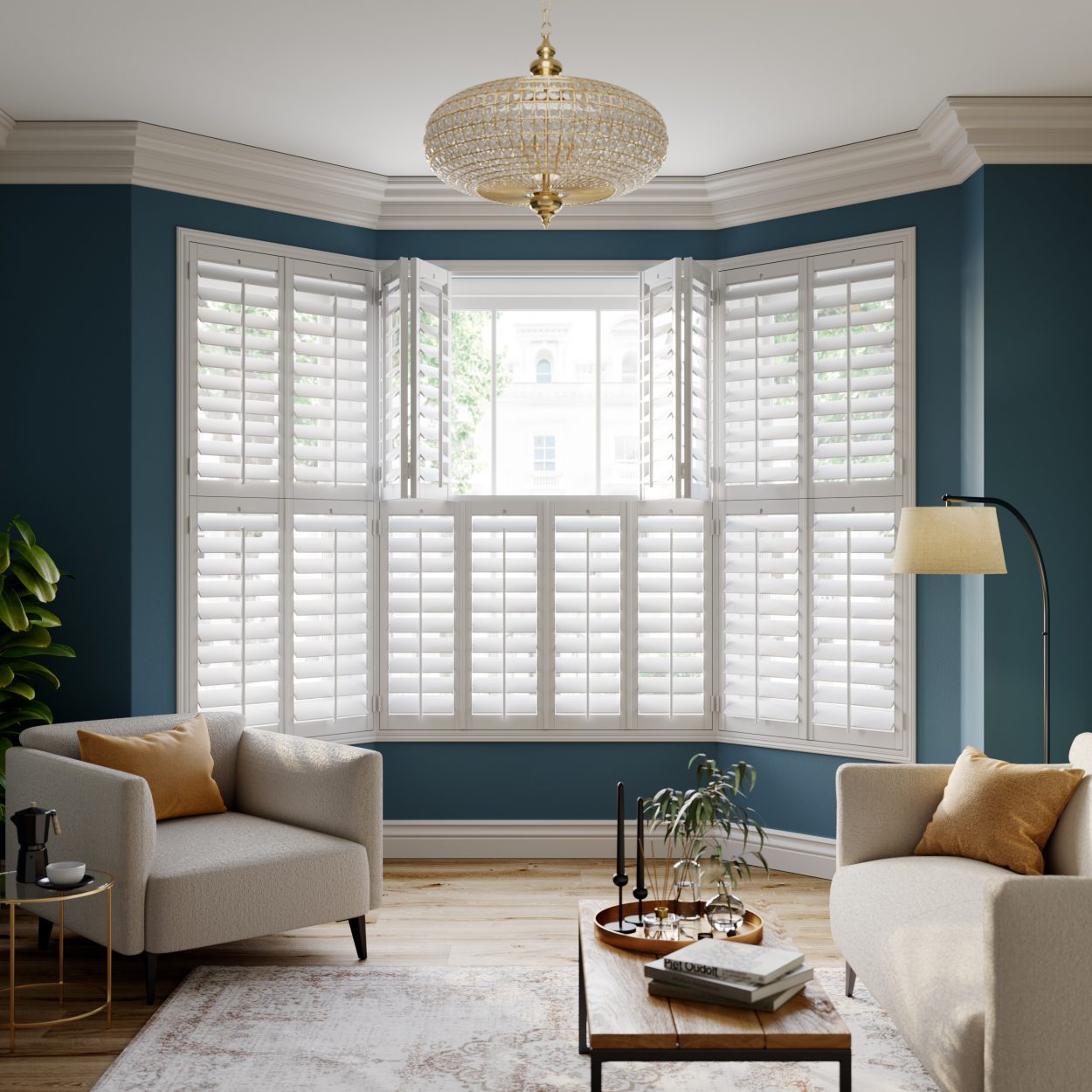
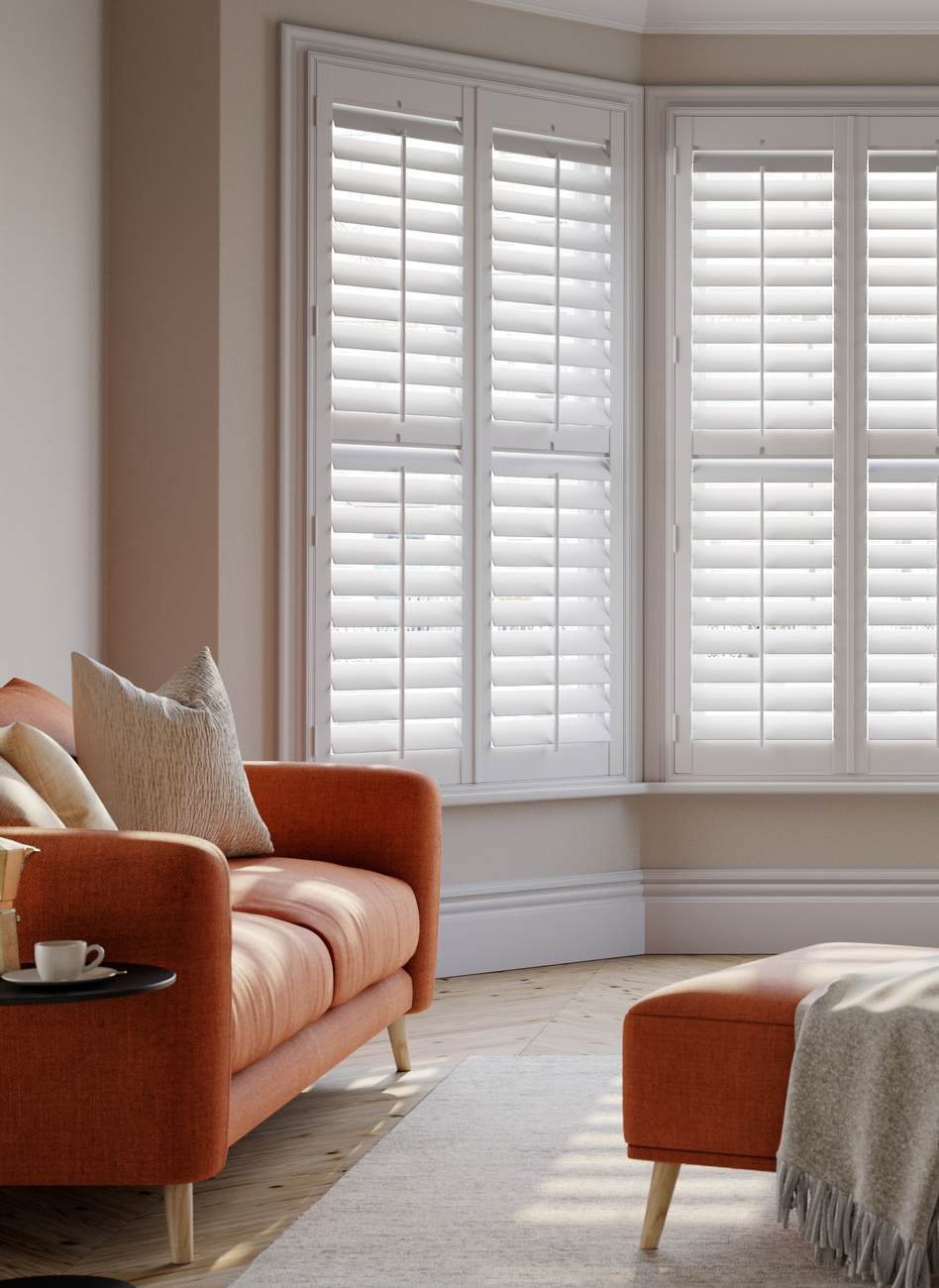
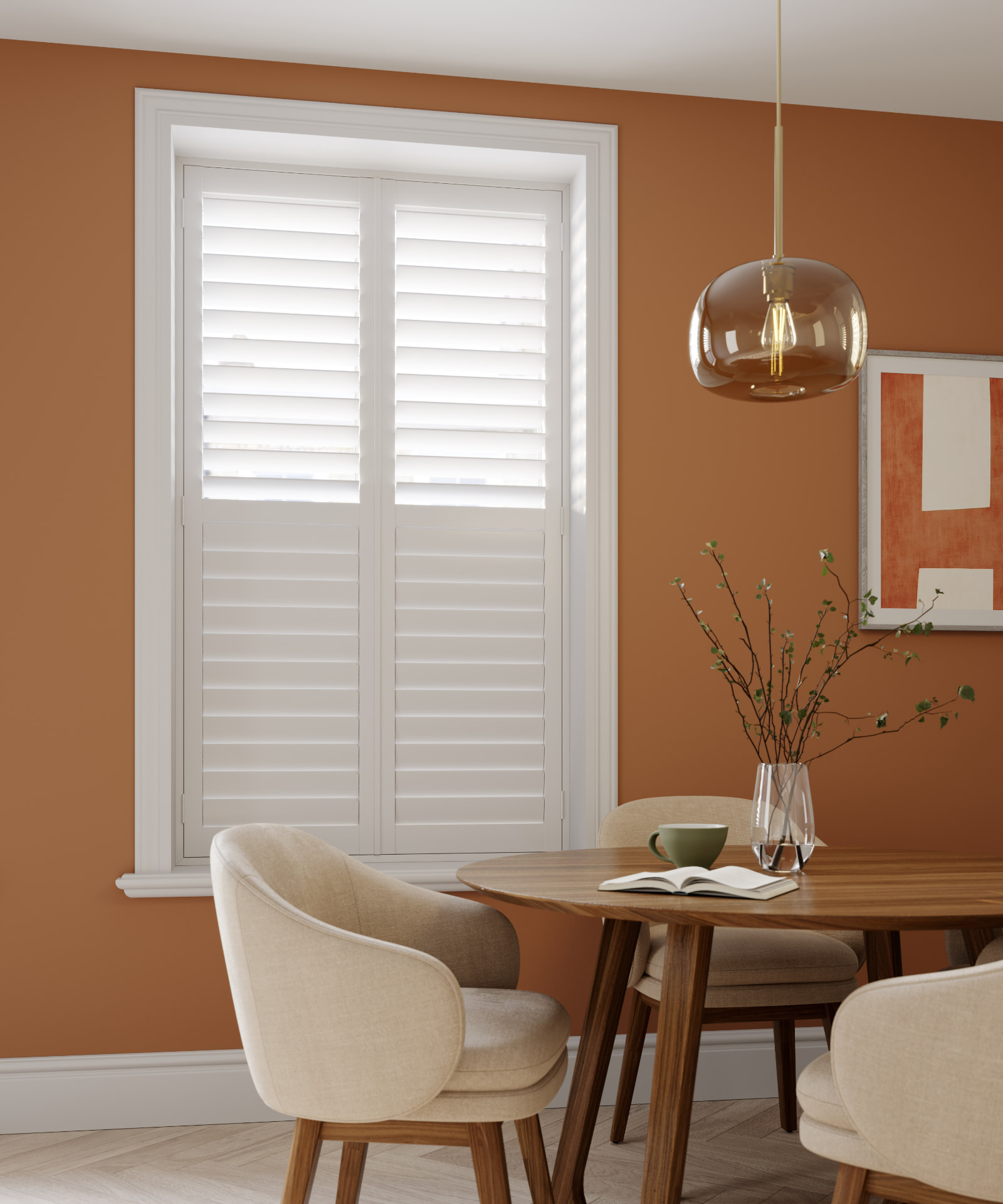
A larger louvre means fewer louvres in the same panel. Fewer blades means fewer horizontal lines crossing the window, less timber in the way when they are open, and a more contemporary, less busy face.
A smaller louvre gives a finer grain, a more traditional look, and marginally better control when closed because there are more overlaps across the same drop. It also puts more timber in front of the glass, so a small window with small louvres can feel closed in.
Neither is better. The question is whether the louvre is in proportion to the window it is sitting in.
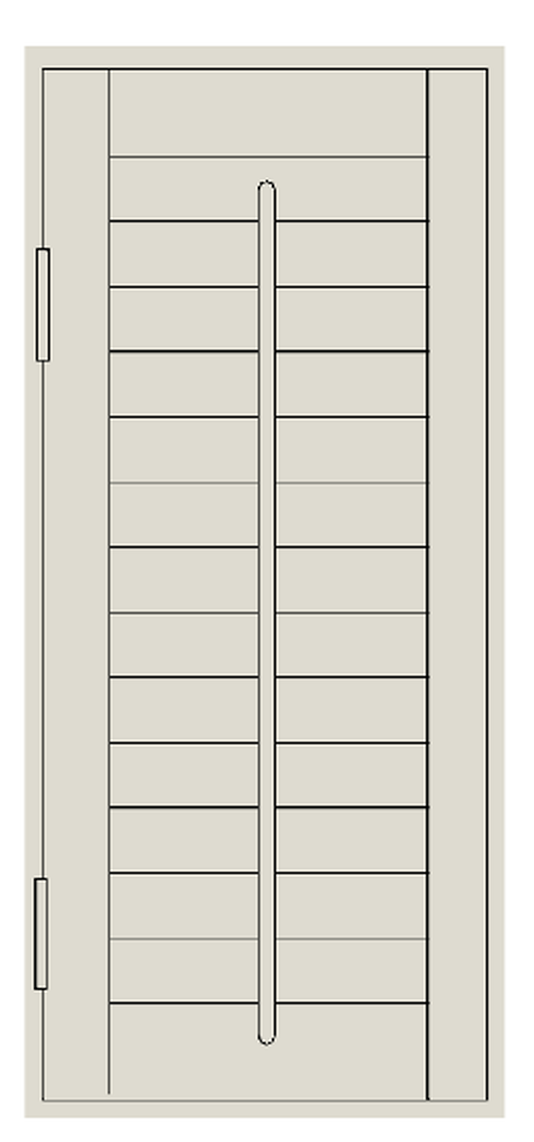
The four sizes, drawn to scale on the same panel
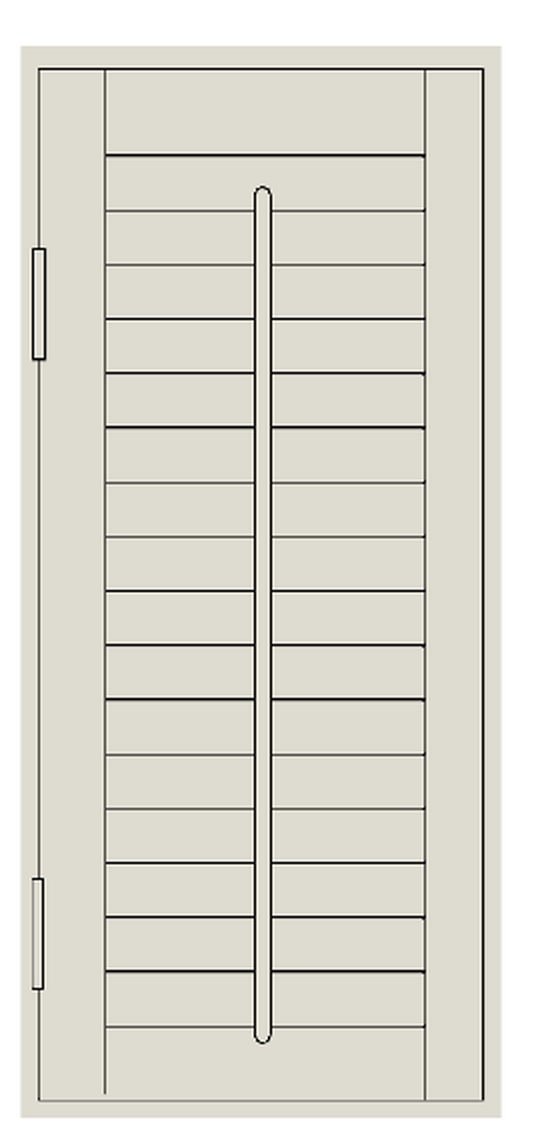
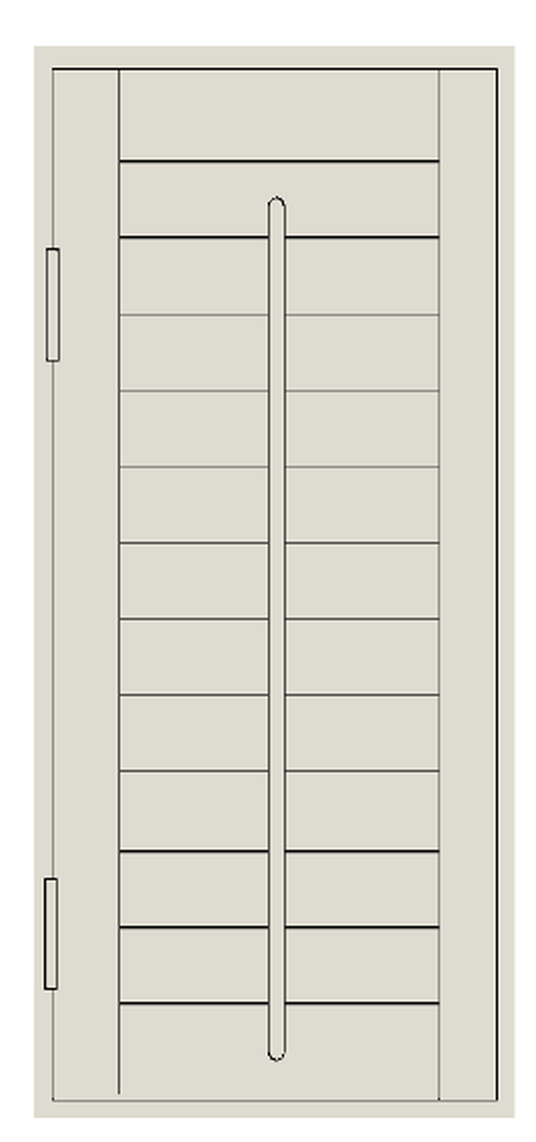
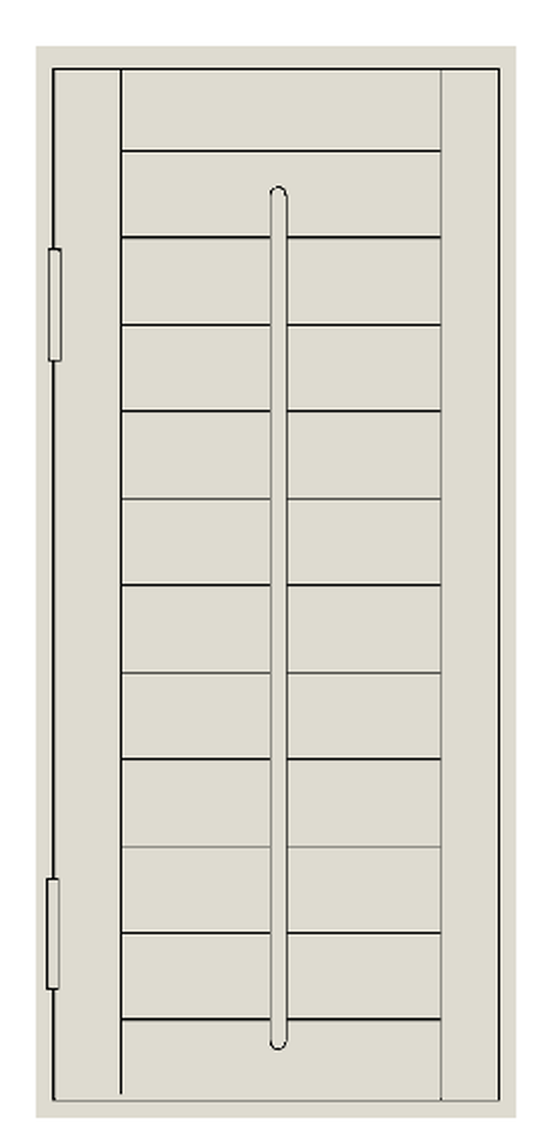
64mm
Traditional and fine grained. It suits smaller period windows, cottage casements, cloakrooms and any window where the pane itself is small. On a tall Victorian sash it can start to look fussy, because you end up with a great many blades stacked up the panel.
76mm
The everyday choice, and the one we would default to across a whole house. It sits comfortably in period and modern rooms, it looks right at almost every window size, and it keeps a house consistent when different rooms have different windows. If you cannot decide, this is the safe answer and it is safe for good reasons.
89mm
A noticeably cleaner view out with fewer blades, while still reading comfortably in a period room. This is the size we recommend most often on larger living room windows and bays where 76mm starts to look slightly busy. It is also the only size available in the flat Urban Blade profile.
114mm
Contemporary and deliberate. It shows the most glass when open and makes the strongest architectural statement, which is exactly right on a large modern opening or a set of bi-folds and can overwhelm a small window. Bear in mind that a wide blade is a longer lever, so 114mm belongs on wider panels where the louvre has room to be what it is.
Louvre size and privacy
This is where the common advice is wrong. People assume smaller louvres are more private because there are more of them. In practice, all four sizes close to the same degree of overlap, so a closed panel behaves much the same whichever size you pick.
Where size does matter is at partial tilt. A larger louvre at a shallow angle creates a wider sight line channel, so at 45 degrees somebody standing at pavement level can see slightly more through 114mm than through 64mm. If you want daylight in while keeping a street view out, the smaller sizes give you a little more room to play with.
A rule of thumb on proportion
Look at the height of the individual pane rather than the whole window. A Georgian six-over-six sash has small panes, and small panes want smaller louvres. A single sheet of modern double glazing has no divisions at all, and a larger louvre reads better against it.
The other check is how far back you stand. In a narrow room you view the window from two metres, where blade detail is obvious. Across a big open plan kitchen you view it from eight, where fine louvres blur into texture and a larger blade holds its shape.
Profile, as well as size
Louvres also come in two profiles. Elliptical is the curved classic, available in all four sizes and at home in period and contemporary rooms alike. Urban Blade is flat, folding flush into itself when upright for a crisp look with slightly more light reduction. It is 89mm only, in Paulownia, Fauxwood and aluminium-core PVC.