The mechanical difference
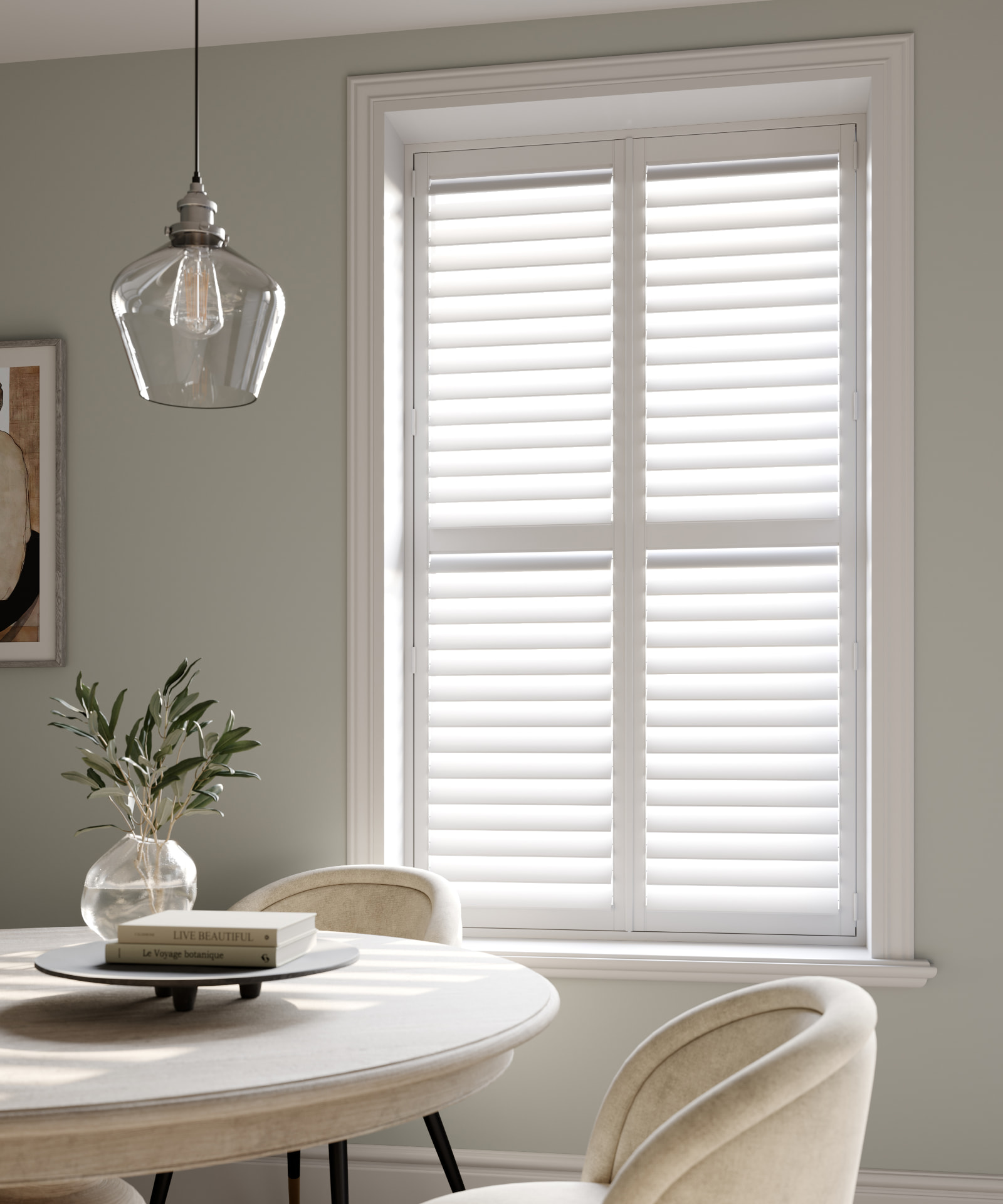
Full height is one panel set covering the whole window. Open it and the entire window is clear. Close it and the whole window is covered. Louvres tilt throughout.
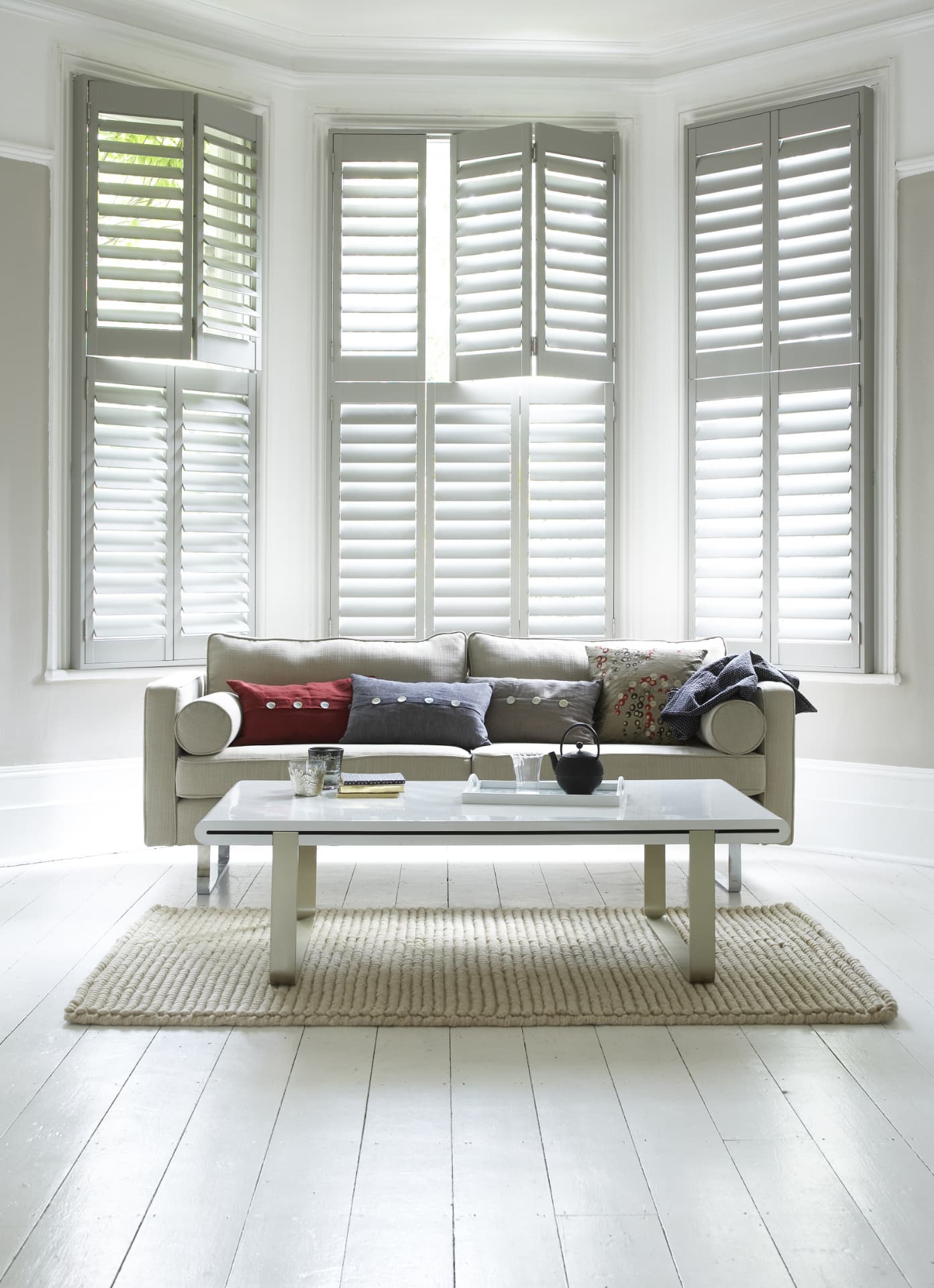
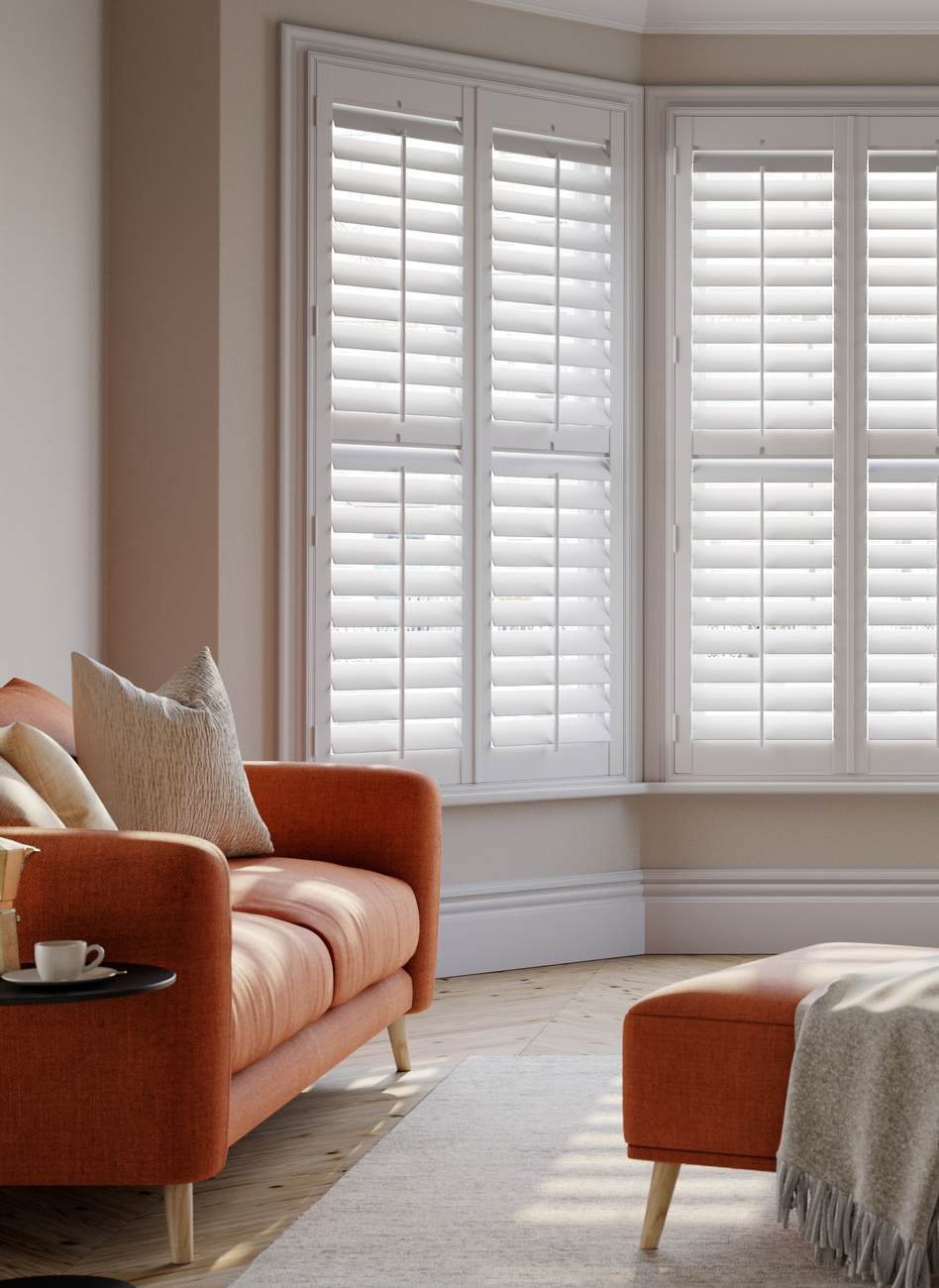
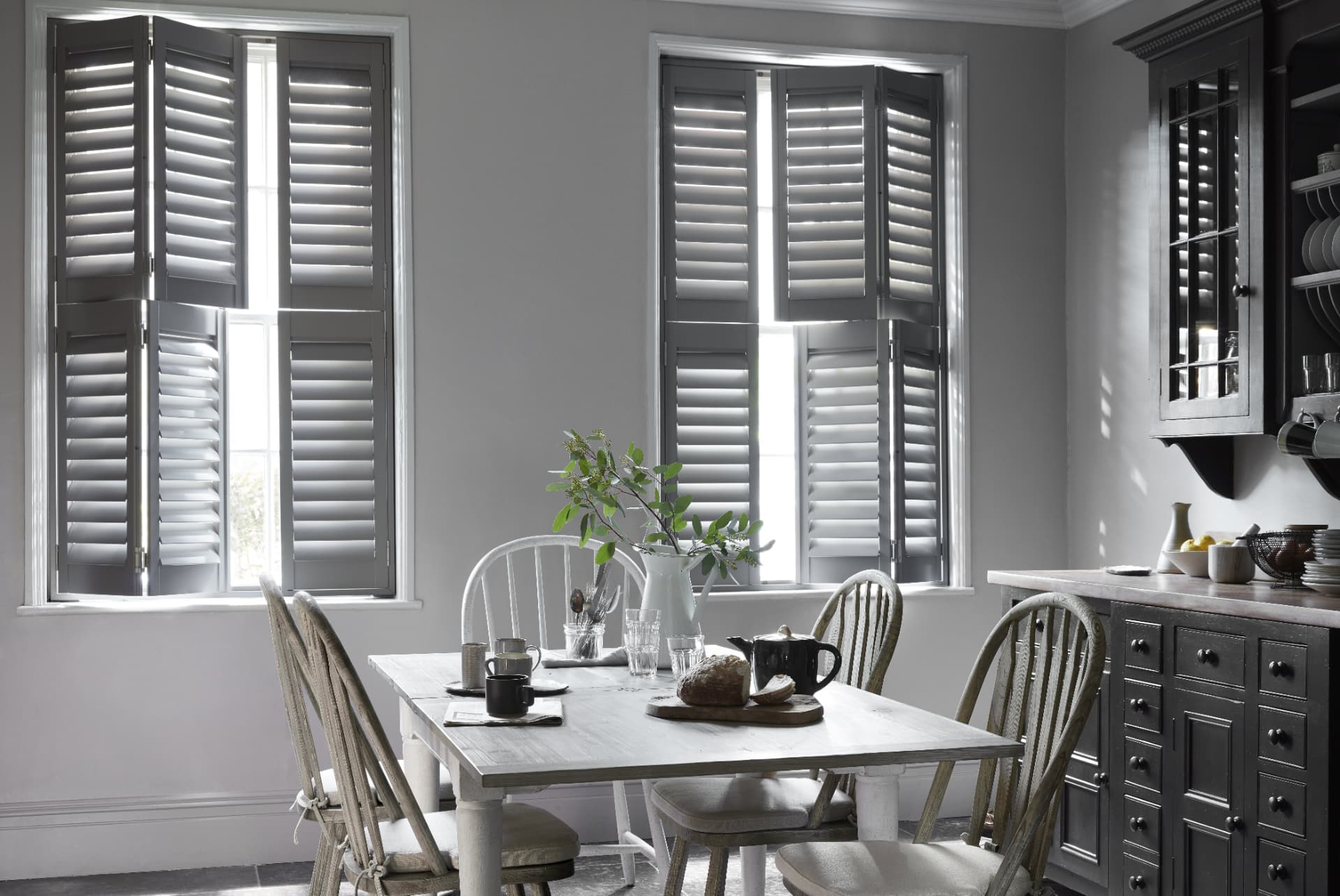
Tier-on-tier is two panel sets, one above the other, hinged separately in the same frame. The lower tier can be closed while the upper tier is folded right back against the wall. That is the only meaningful difference, and everything below follows from it.
A note on the middle ground: a full height panel can be built with a hidden split, so the upper and lower louvres tilt independently even though the panel is a single piece. That gives you some of the privacy control of tier-on-tier at full height cost. It does not let you fold the top back and open the window behind it.
Side by side
| Full height | Tier-on-tier | |
|---|---|---|
| Appearance | One uninterrupted run of louvres. Architectural and calm. | A horizontal division at the split. Traditional, and it echoes a sash meeting rail. |
| Privacy | All or nothing at panel level, though a hidden split gives independent louvre control. | The best privacy option. Bottom closed, top wide open, no compromise. |
| Flexibility | Good. One decision covers the window. | Excellent. Four usable positions rather than two. |
| Light | More daylight when fully open because nothing crosses the glass. | Slightly less when fully open, because of the mid-frame at the split. |
| Cost | The most economical way to dress a window. | More, on the same opening. Two panel sets, two sets of hardware, longer to hang. |
| Maintenance | Fewer louvres and no mid-frame to dust. | A little more to clean, including the horizontal rail at the split. |
| Best suited to | Bedrooms, rear rooms, upper floors, contemporary interiors, whole house budgets. | Street facing living rooms, tall Victorian and Georgian sashes, bay windows. |
Where the split should sit
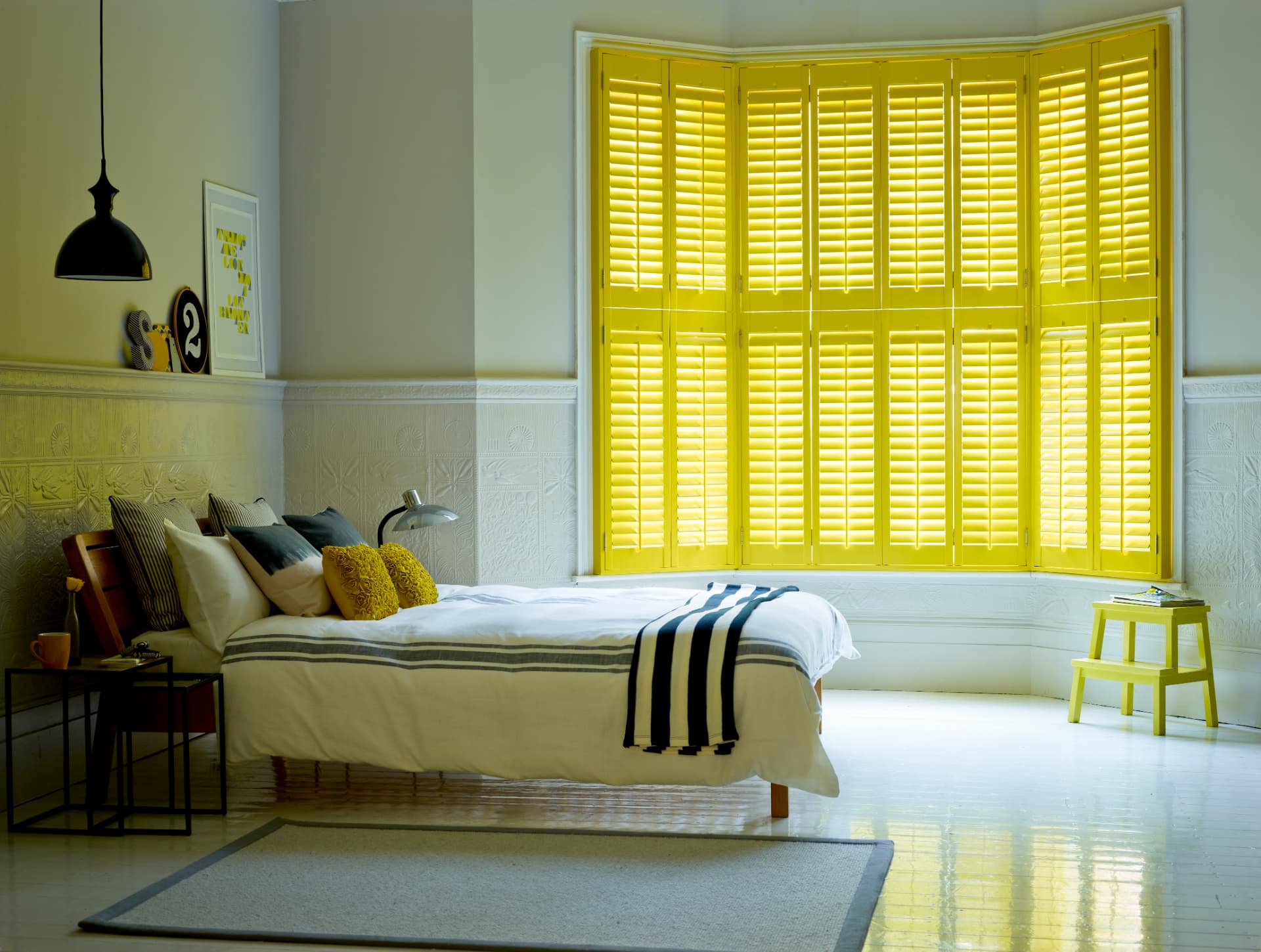
On a sash window the split almost always wants to line up with the meeting rail, so the shutter follows the architecture rather than fighting it. On a casement window without an obvious horizontal line, we set the split at the height that gives privacy where you actually sit, which is usually a little above the sill of a neighbouring pavement view.
Getting that line wrong is the most common fault we are asked to look at on somebody else's installation. A split set too low leaves you exposed when standing, and set too high it eats into the light you were trying to protect.
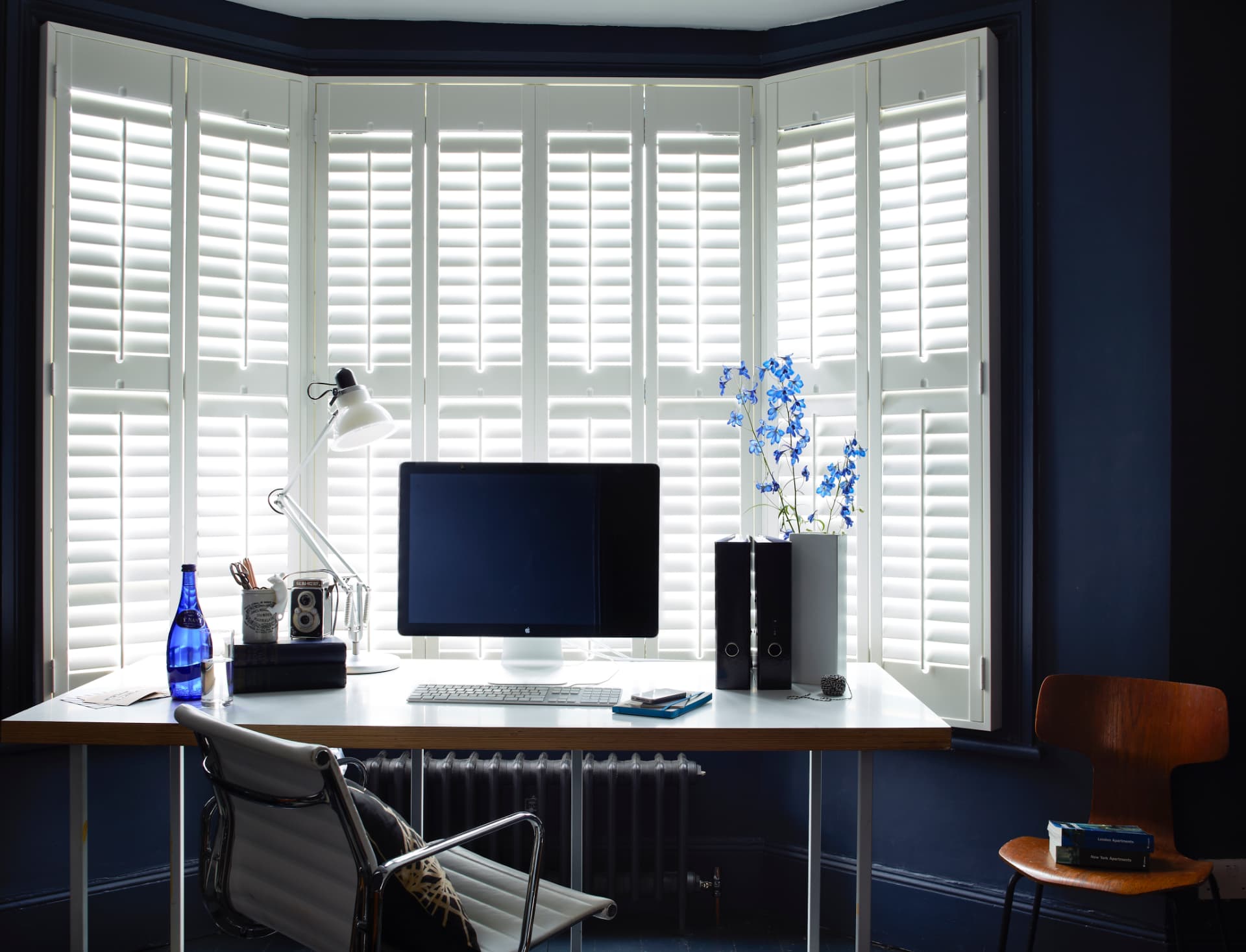
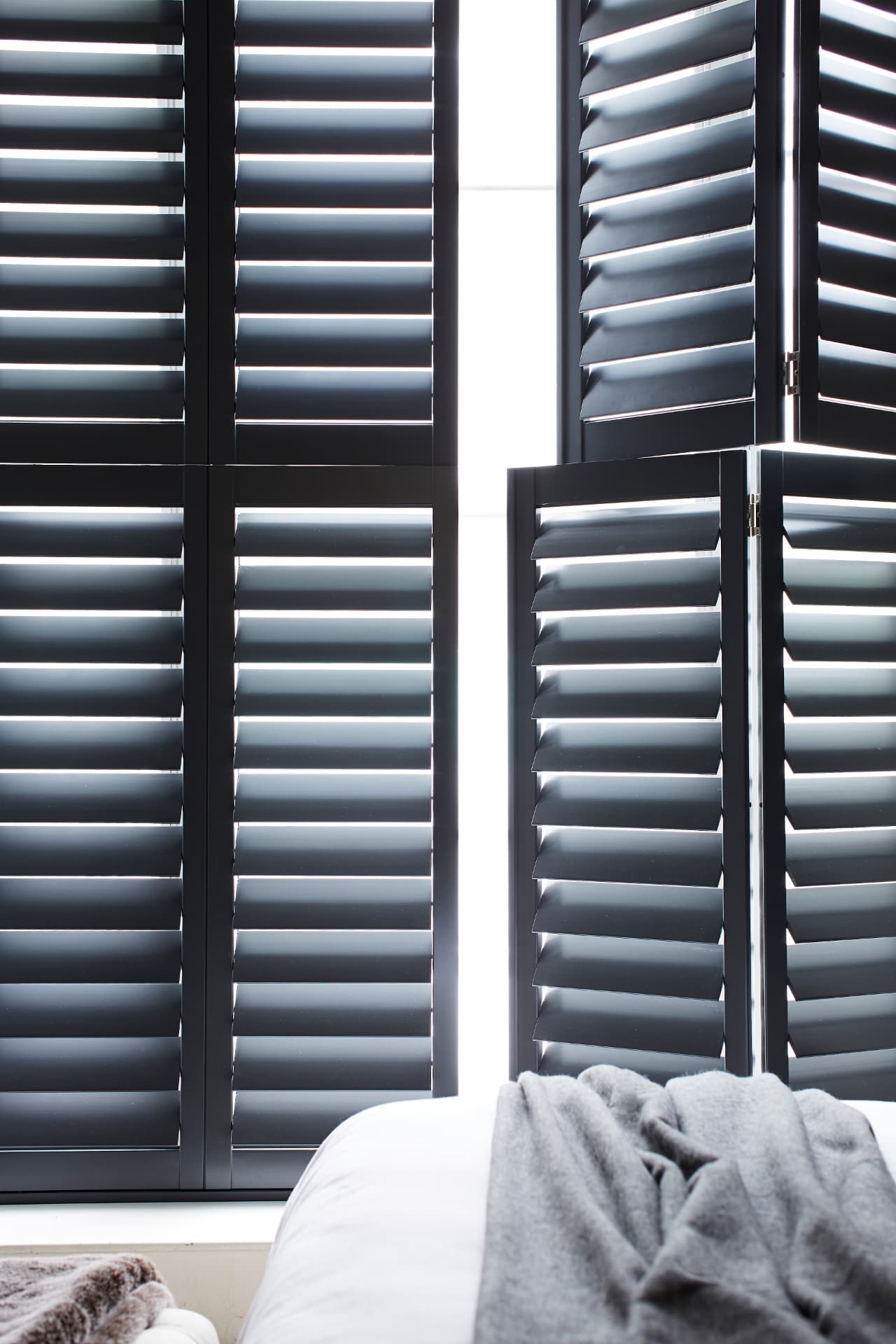
Tier-on-tier is often assumed to be a period only style. This contemporary interior in a dark finish is a useful counter example: the split reads as a deliberate horizontal line rather than a nod to tradition, and the panels still do the practical job of dividing privacy from daylight.
From our projects
Black shutters, contemporary interior
Proof that shutters don't have to be white to look like they belong in a period property.
See the project